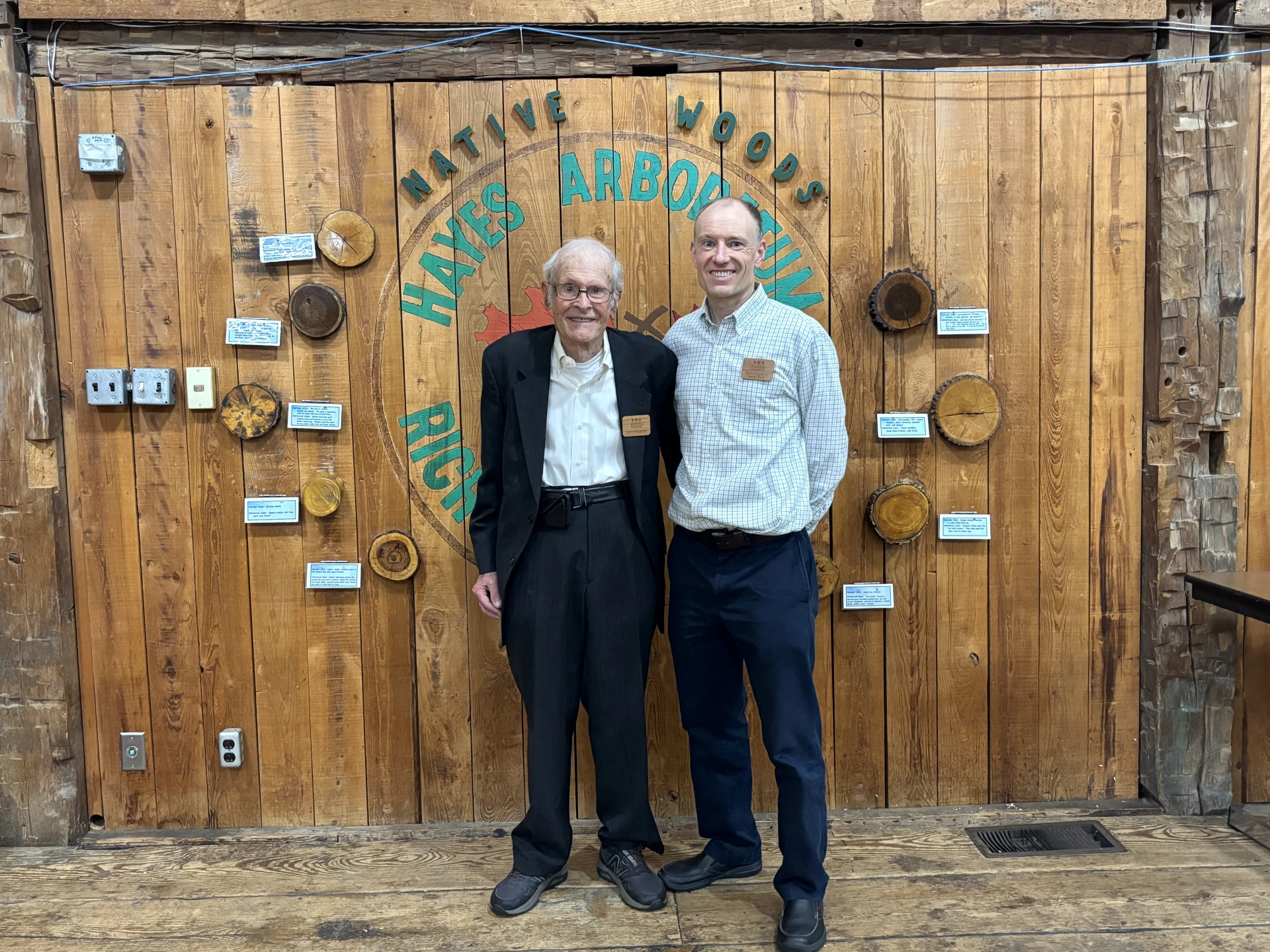
RICHMOND, Ind. – After spending the past year developing a 15-year Master Plan, Hayes Arboretum is turning its attention toward the future with new projects.
The projects aim to expand educational opportunities and improve visitor experiences while preserving the arboretum’s long-standing role as a community space.
Leadership is currently focused on improvements to the Playscape and fundraising for a new classroom building that would provide additional space for school groups, workshops and community programs.
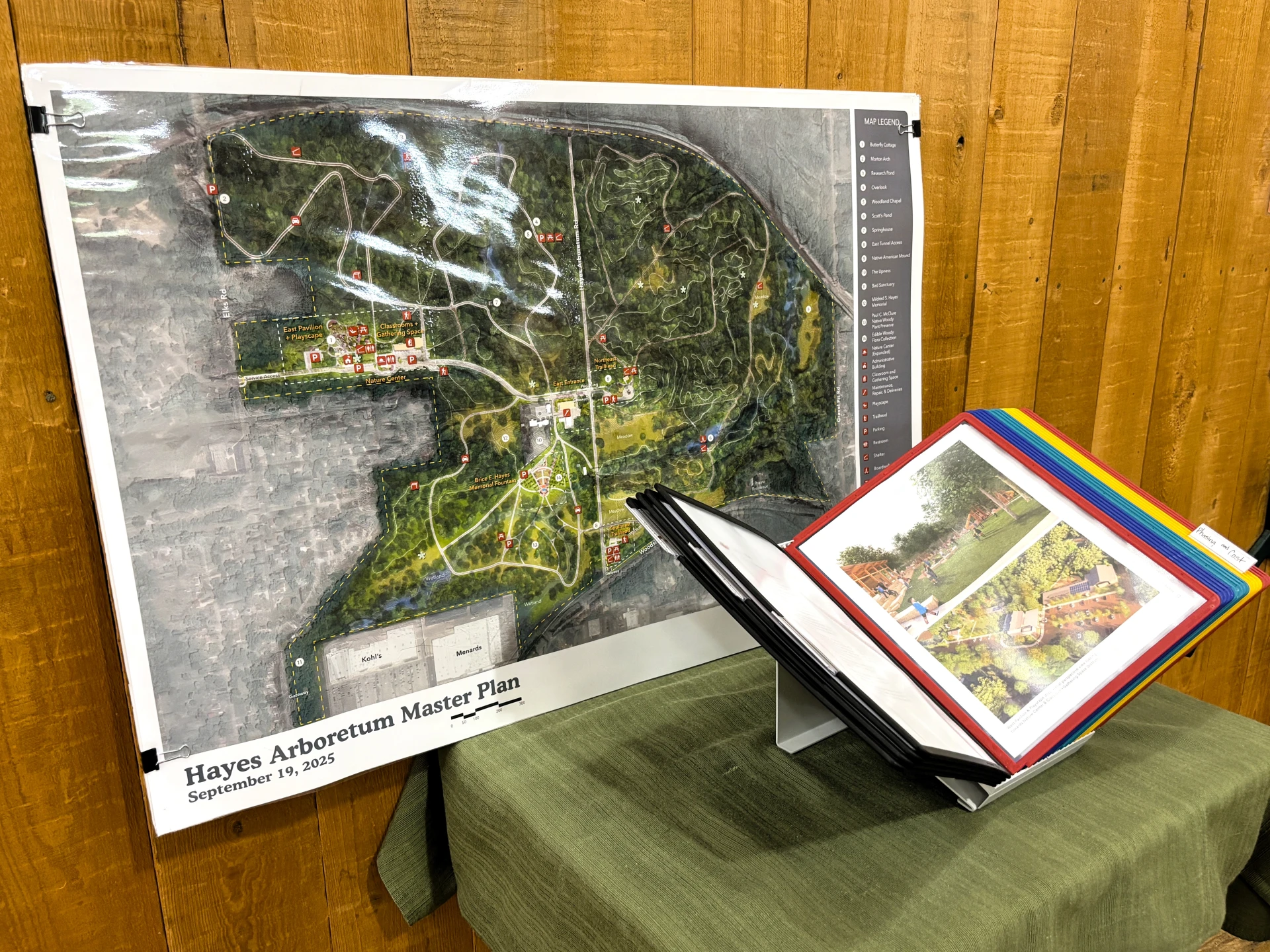
“We’re now taking the next step,” said Executive Director Stephen Hayes Jr. “We’re looking at how do we take a 13-phase Master Plan, make it really tangible, and take the next incremental step.”
The master plan was developed through community surveys, listening sessions and planning workshops. Hayes said the process allowed the organization to think beyond day-to-day operations and focus on what the arboretum should look like decades from now.
“When I got involved 20 years ago with the organization, it was right about the time of the land sale and it was a very tough time for us,” Hayes Jr. said. “To think that far into the future and remove yourself from kind of day-to-day needs…it was amazing.”
The first phase of the plan focuses on upgrades to the Playscape, an outdoor nature-based play area that has become a popular destination for families.
Hayes Jr. described the first phase as "making the good things better."
Future plans include a classroom building behind the Nature Center. Hayes said the current annex classroom space is frequently booked for educational programs, workshops and community events, creating a need for additional room.
While new projects are part of the arboretum’s future, maintaining the experience visitors have come to expect remains equally important.
In more than 60 years of being open to the public, Hayes Arboretum has grown through additions that reflect both preservation and adaptation. It opened to the public in 1963.
Among those is a small museum housed in a relocated Pure Oil gas station, preserving a piece of local history on the property.
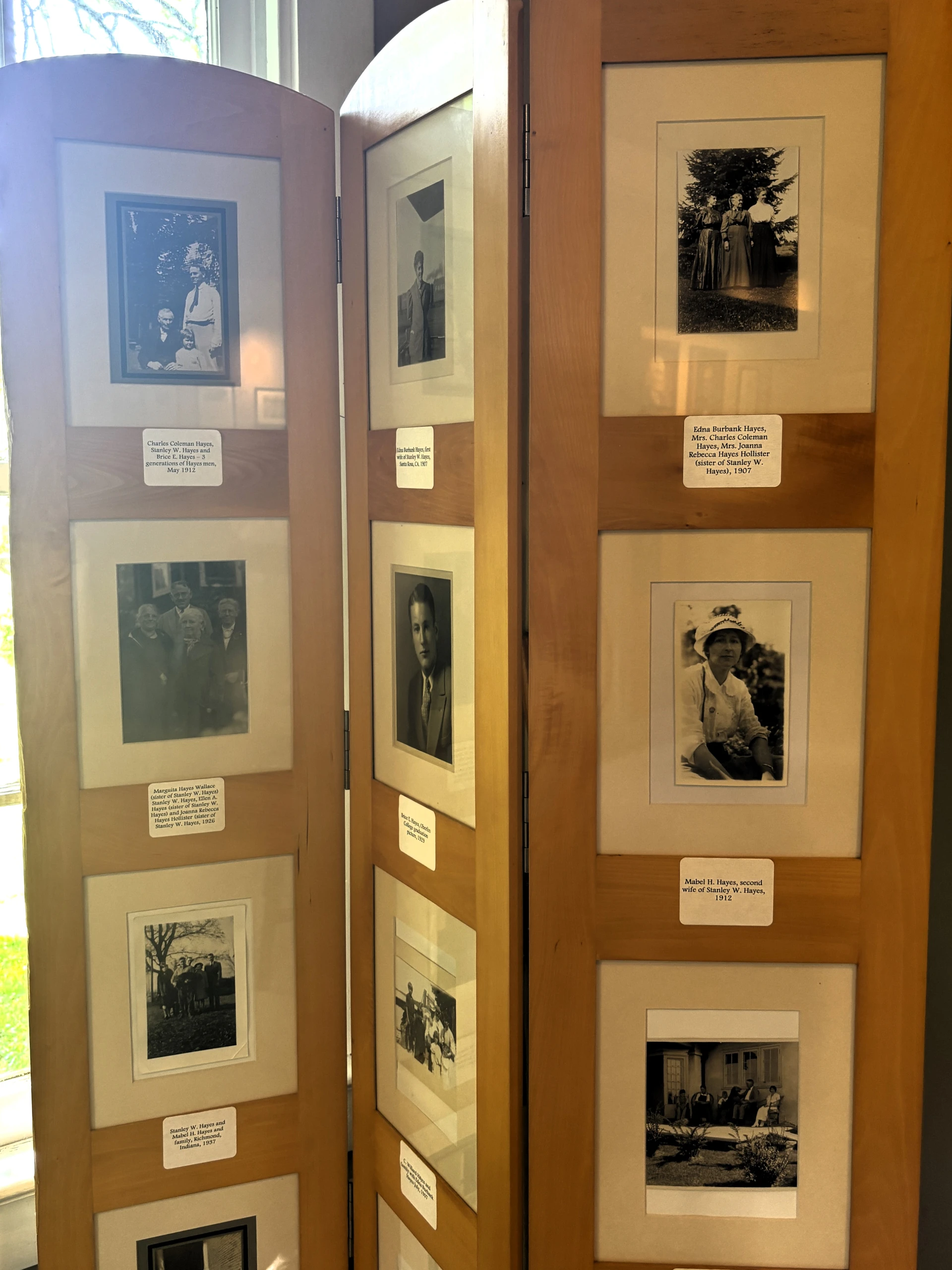
The museum tells the story of the Hayes family, guided by generations dating back to the early 1900s.
“We’re very conscious of we don’t want the feel to change out here,” Hayes said.
Long before recent expansion efforts, planning for the east side of the property began in the early 2000s. Stephen Hayes Sr. said early work included securing grants to open and improve access to that portion of the arboretum.
“We received a couple of grants of good proportion designed to open up the area over there,” said Hayes Sr., director of Membership & Rentals and former Board President.
Those efforts led to one of the arboretum’s most significant expansions around 2012, when the east side was developed to add new recreational opportunities while maintaining traditional uses on the west side. Each side encompasses 175 acres.
Mountain biking trails were later added after local riders approached the organization with the idea. The project included years of planning and the construction of a tunnel beneath Hayes Arboretum Road to safely connect both sides of the property.
“We had always looked at Hayes Arboretum Road as a barrier,” Hayes Jr. said. “Maybe the road is something that acts as a positive barrier and it keeps the active recreation of mountain biking on the east side of the property, and we still have all of our traditional activities on the west side of the property without any disruption.”
Today, the east side remains popular with mountain bikers, hikers, runners and dog walkers. The expansion reflects a broader mission of creating lasting experiences.
“I like to say we’re made for making memories,” said Hayes Sr. “So many people over the years have memories out here.”
The arboretum operates as a not-for-profit organization and relies on an endowment, grants, donations and facility rentals rather than tax dollars. Admission to the trails, Nature Center and many outdoor amenities remains free.
The main entrance is open to the public Tuesdays through Saturdays from 9:00 a.m. to 5:00 p.m., while the east entrance is open daily from dawn to dusk.
“I think an experience in nature shouldn’t cost anything,” Hayes Jr. said.
Ideas for improvements are often gathered through visitor feedback, volunteers and partner organizations, and evaluated through the arboretum’s long-term planning process.
“We’re really fortunate. We have community and lots of supporters that give us good ideas all the time,” Hayes Jr. said. “There’s a lot of feedback that we receive, and we always want to improve.”
The organization also evaluates other similar institutions to identify opportunities for new programming while ensuring changes align with its mission and available resources.
“We do a fair amount of benchmarking to other organizations,” Hayes Jr. said.
The arboretum operates with a lean staff and relies heavily on volunteers. Operations also shift seasonally, with planning typically taking place in the winter and peak visitation occurring from spring through late fall.
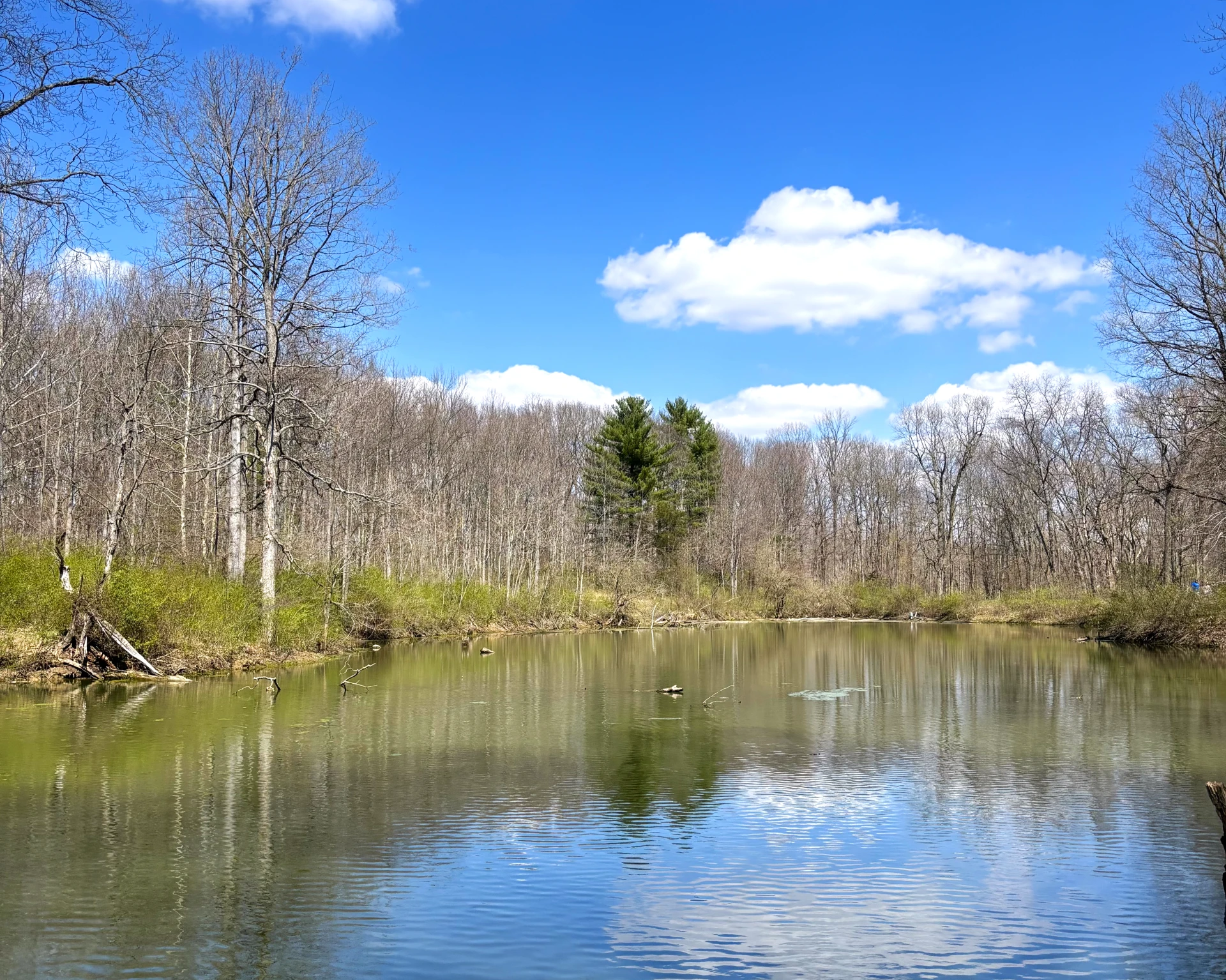
Despite those shifts, the focus remains steady: maintaining the natural system and helping people understand how to care for it.
“Time in the woods is never wasted,” Hayes Jr. said.
Information about programs, volunteer opportunities and the Arboretum’s 2026 Wish List campaign can be found through Hayes Arboretum’s website.
"It's like being in the country in the city," said Hayes Sr. "You think about it, US 40 and all the noise...you come a mile and a half, and drive into centuries old forest. What a dramatic change that is."